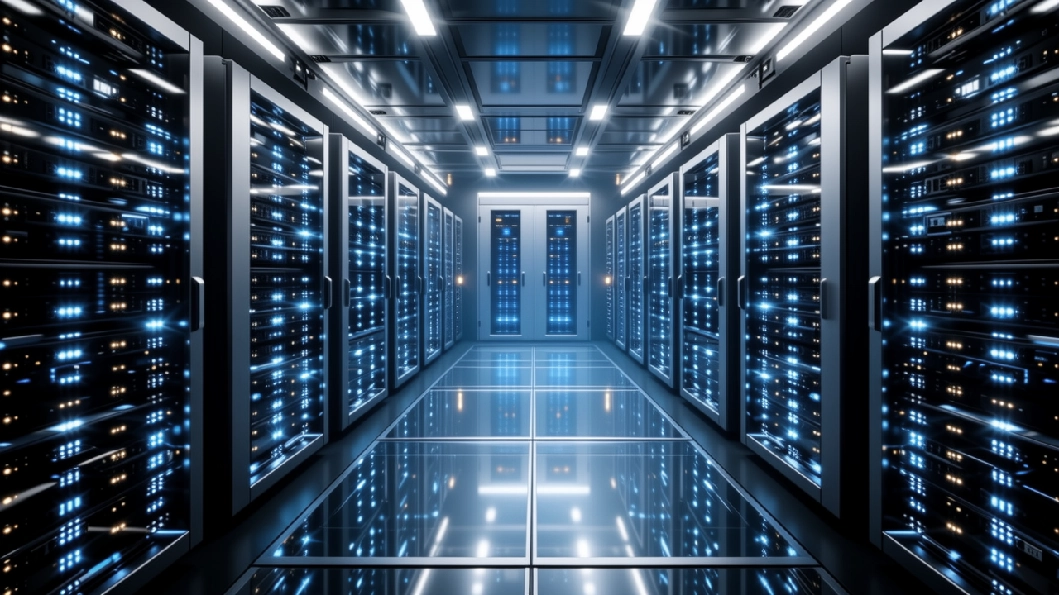
Absolutely, data centers are the cornerstone and core engine for future technological development, and their importance cannot be overstated. We can compare them to the “heart” and “brain” of the digital era:
The Heart: Pumps the “blood” of data and computing power throughout the entire digital body.
The Brain: Centrally processes, analyzes, and stores massive amounts of information, driving intelligent decision-making.
The following are several core aspects that highlight the critical importance of data centers for future technological development:
- Providers of Massive Computing Power: The “Power Source” of Future Tech
Future technologies, such as artificial intelligence, the metaverse, and life sciences, are all “computing power beasts.”
Artificial Intelligence (AI): Training and inferring large models require clusters of thousands of GPUs/NPUs to run continuously for weeks or even months. Without hyper-scale data centers, applications like ChatGPT and Midjourney would be impossible.
High-Performance Computing (HPC): In fields like climate prediction, new drug development, gene sequencing, and fluid dynamics simulation, data centers are needed to provide immense computing power to process extremely complex mathematical models.
Quantum Computing: Although quantum computers themselves are novel hardware, their control, programming, and collaboration with classical computing rely on powerful traditional data centers as “co-processors” and control hubs.
- The “Digestive System” for the Data Deluge: Transforming Data into Intelligence
We are in an era of data explosion. IoT devices, sensors, and high-definition video constantly generate massive amounts of data.
Data Storage and Governance: Data centers provide reliable, secure, and scalable storage solutions, ensuring these valuable data assets are not lost or misused.
Data Processing and Refinement: Raw data is like crude oil; it needs to be processed, cleaned, analyzed, and mined within data centers to become the “intelligent fuel” that drives decision-making.
- The “Digital Hub” Connecting All Things: Enabling Low-Latency Experiences
Future technologies have extremely high requirements for real-time performance.
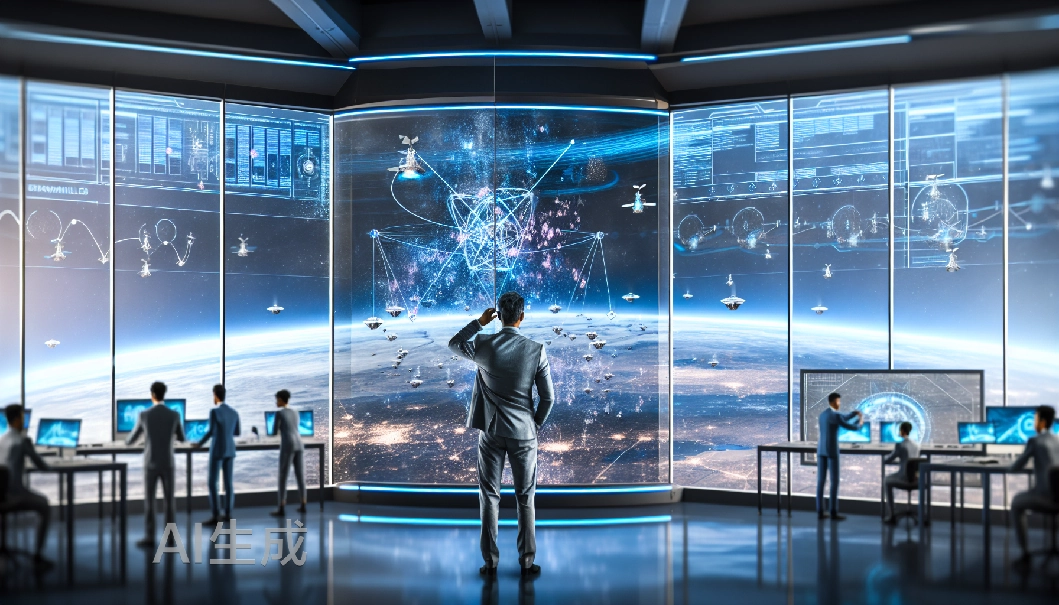
5G/6G and Edge Computing: To achieve applications requiring millisecond-level responses, such as autonomous driving, remote surgery, and industrial automation, edge data centers must be deployed close to users and terminals. These edge nodes work in coordination with core data centers, forming a “cloud-edge-end”立体 computing network.
Internet of Things (IoT): Tens of billions of IoT devices send data to edge or core data centers for processing and receive instructions, enabling smart homes, smart cities, and smart factories.
- The “Incubator” for New Business Models: Driving the Digital Economy
Data centers themselves are core infrastructure for the digital economy.
Cloud Computing and Servitization: Enterprises can use computing, storage, and network resources provided by data centers on-demand without building their own server rooms, greatly lowering the barrier to innovation and entrepreneurship and spawning new business models like SaaS, PaaS, and IaaS.
Metaverse and Digital Twins: Building a virtual world that mirrors the real world requires real-time rendering of massive 3D graphics, processing physical simulations, and user interactions, all supported by the nearly limitless distributed computing power provided by data centers.

- The “New Tool” for Scientific Research: Accelerating the Expansion of Human Knowledge Boundaries
Modern scientific research increasingly relies on data-driven approaches.
Astronomy: Projects like the Square Kilometre Array (SKA) radio telescope generate data daily that requires the world’s top data center networks to process and store.
Life Sciences: The Human Genome Project and protein structure prediction (e.g., AlphaFold) rely on the massive computing and storage resources of data centers.
- The “Practitioner” and “Driver” of Green and Sustainable Development
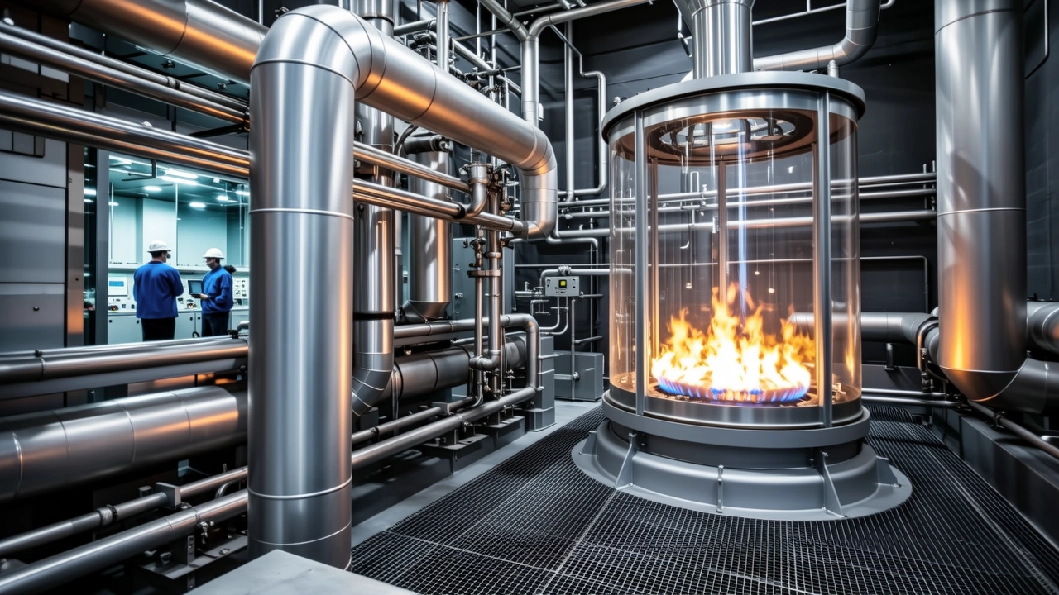
This is both a challenge and an opportunity. Data centers are major energy consumers, thus they have become the frontier for green technology innovation.
Challenge: Immense power consumption and cooling demands.
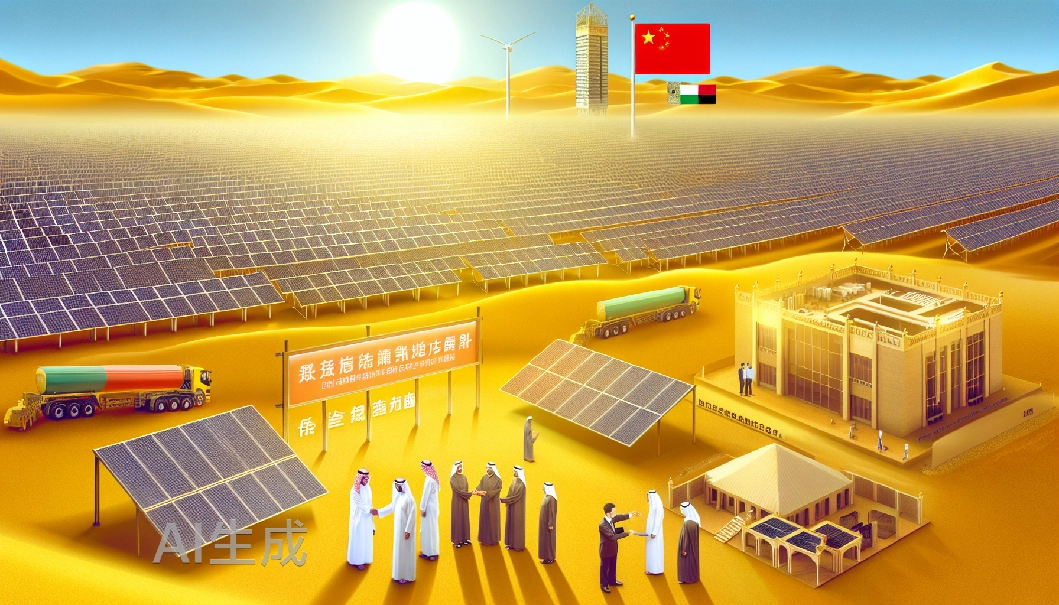
Opportunity: Driving the adoption of renewable energy (solar, wind), advanced liquid/immersion cooling technologies, waste heat recovery, and AI-powered optimization to lower PUE (Power Usage Effectiveness). In the future, efficient, green data centers will themselves be a significant technological achievement.
Summary
If electricity was the blood of the industrial revolution, then data centers are the “power stations” and “grid” of the digital revolution. They are evolving from infrastructure that supports underlying technologies into a key element that directly defines the upper limits of technological development.
The competition in future technology is, to a large extent, a competition in computing power and data, which ultimately boils down to a competition in data center capabilities (scale, efficiency, level of intelligence). Without a powerful, advanced, and efficient data center network, any ambitious technological blueprint is likely to remain a castle in the air.