
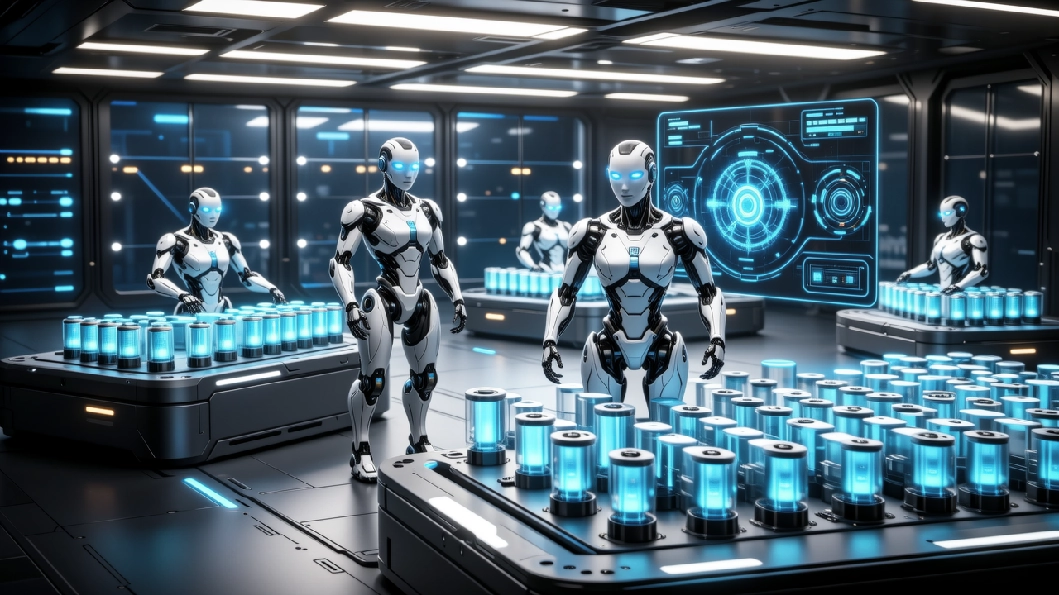
This is a very grand and thought-provoking question. Regarding whether robots can replace all human jobs, the mainstream view is: They will fully replace humans in certain fields, but for the foreseeable future, it is impossible and unnecessary for them to replace all human jobs.
We can explore this question in depth from several perspectives:
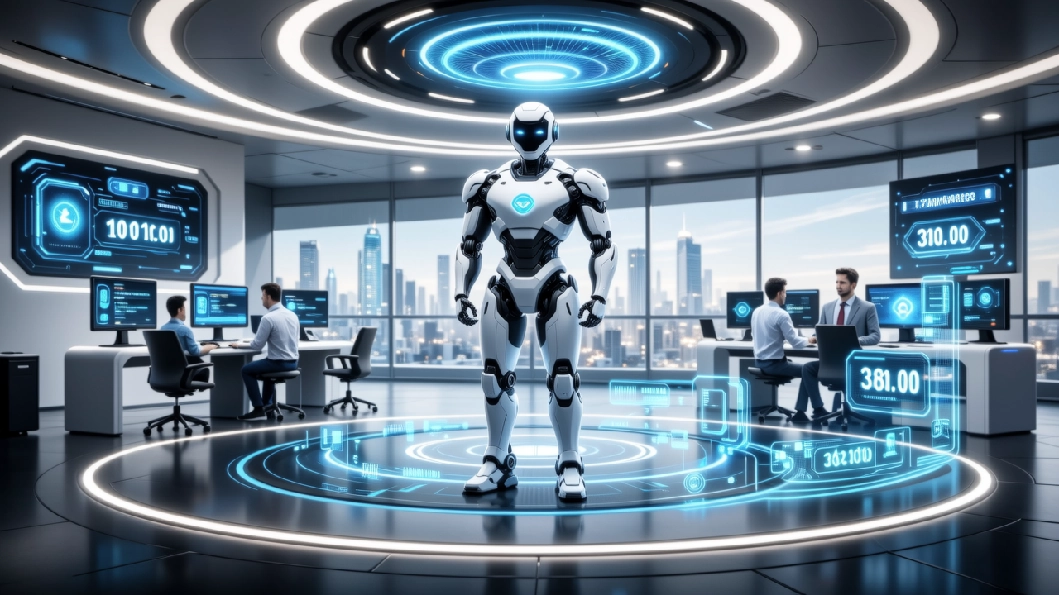
Part 1: Why will robots replace a large number of jobs? (The Logic of Replacement)
Technological progress, especially the integration of artificial intelligence and robotics, enables machines to surpass humans in the following areas:
Repetitive, procedural Manual and Cognitive Labor:
Manual Labor: Factory assembly lines, warehouse sorting, goods moving, agricultural harvesting. These tasks have clear rules and fixed actions, and industrial robots are already widely used.
Cognitive Labor: Data entry, report generation, simple customer service Q&A, code checking. These tasks are based on clear rules and patterns, which AI can process faster and more accurately.
Superior Computing and Data Processing Power:
In areas like financial trading, medical diagnosis (analyzing medical images), and massive literature analysis, AI can process volumes of data unimaginable for humans, discovering patterns imperceptible to the human eye.
Operating in Dangerous and Harsh Environments:
Such as nuclear plant maintenance, deep-sea exploration, firefighting, and space operations. Using robots can greatly ensure human safety.
Part 2: Why is it difficult for robots to replace all jobs? (The Human Barrier)
There are many jobs that robots currently, and likely in the distant future, will find difficult to match, as they rely on traits unique to humans:
Creativity and Genuine Innovation:
Although AI can generate paintings, music, and text, these are largely recombinative and imitative of existing data. The kind of original “from 0 to 1” thinking that stems from profound life experience, the integration of cross-domain knowledge, and disruptive hypotheses remains a core human advantage. For example, proposing a new physics theory or conceiving the core idea of a great literary work.
Complex Social Interaction and Empathy:
Professions like teachers, therapists, nurses, senior managers, and negotiators require deep empathy, understanding subtle emotional cues, and building trust and interpersonal relationships. Robots can simulate politeness but cannot truly “feel” empathy.
Unstructured Problem-Solving and Adaptability:
When facing an unprecedented, complex situation with no clear rules or precedents, humans can rely on common sense, intuition, and comprehensive judgment to cope. For example, handling a sudden public crisis or mediating a complex family dispute.
Value Judgments and Ethical Decision-Making:
In legal judgments, policy formulation, and medical ethics committees, many decisions involve trade-offs based on morality, ethics, values, and socio-cultural considerations. These judgments cannot be simply optimized by algorithms; they are rooted in human societal consensus and philosophical thought.

Craftsmanship and Extreme Dexterity:
Some tasks requiring extremely high dexterity, tactile feedback, and on-the-spot judgment, such as restoring an ancient artifact, performing a delicate organ transplant surgery, or creating haute couture fashion, are areas where machines will likely struggle to match top human experts for a long time.
Part 3: Future Trend: Transformation, Not Simple Replacement
A more likely future scenario is not “human unemployment” but human-machine collaboration and a profound transformation of work models:
Human-Machine Synergy: Doctors use AI for diagnostic assistance, lawyers use AI to search for case law, designers use AI to generate drafts and then refine them. Humans are responsible for strategy, creativity, and decision-making, while machines handle execution, computation, and assistance.
Birth of New Jobs: Just as in the Agricultural and Industrial Revolutions, while old jobs disappear, a large number of new jobs we can hardly imagine today will emerge, such as: AI trainers, robot ethics consultants, virtual environment designers, human-machine collaboration specialists, etc.
Redefinition of Work: When repetitive labor is largely replaced, society may place greater value on work that embodies the qualities of “what it means to be human,” such as education, caregiving, arts, scientific research, and community service.
Conclusion
In summary:
For the foreseeable future, it is impossible for robots to replace all human jobs.
It will disrupt the existing structure of work, liberating humans from repetitive, tedious, and dangerous tasks.
The future core will shift from “executing tasks” to “defining problems, managing machines, and leveraging human advantages.”
This will ultimately trigger a profound social and economic transformation, challenging our traditional concepts of work, income, and the meaning of life.
Therefore, rather than worrying about complete replacement, we should focus more on lifelong learning, cultivating those core competencies that are difficult for machines to replicate, and actively adapting to a future of coexistence with robots.