Core Analogy: The “Heart” and “Blood” of Industrial Production
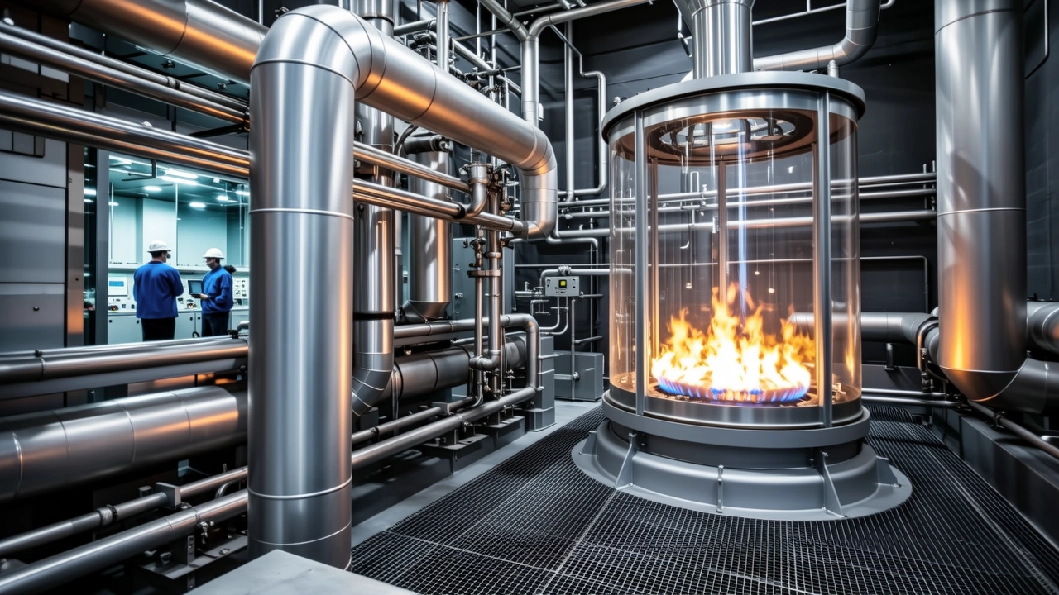
Imagine a modern smart factory as a highly efficient “giant” in full motion.
- Machines, assembly lines, control systems, and computers are the “organs” and “neural network” of this giant.
- Electrical power is the “blood” that delivers oxygen and nutrients.
- The critical power system (including Uninterruptible Power Supplies (UPS), backup generators, voltage regulators) is the giant’s “heart and cardiovascular system.”
A Closer Look: How the Critical Power System Functions
1. Steady Blood Flow = Stable Operation
- Scenario: As the giant works normally, its heart beats steadily, pumping blood smoothly to every organ.
- Explanation: Components like voltage regulators and filters within the critical power system purify the “impurities” from the grid (such as voltage fluctuations, surges, harmonics). This ensures the machinery receives clean, stable power. It’s like the heart maintaining stable blood pressure and oxygen levels, preventing the organs from becoming “dizzy” (unstable equipment operation) or suffering from “hypertension/hypotension” (over/under voltage).
2. Instant Life Support = Preventing Sudden Death
- Scenario: The giant suddenly trips (a grid power failure), causing its body to lurch forward from inertia.
- Explanation: Here, the Uninterruptible Power Supply (UPS) acts like the heart’s powerful “stress response.” It kicks in within milliseconds, like a surge of blood pumped instantly to support the body and prevent the giant from crashing to the ground. This process is seamless, ensuring critical devices (like precision instruments, control systems, servers) do not shut down from “oxygen deprivation,” buying time for the giant to regain its footing (start the backup generator or shut down safely).
3. Sustained Endurance = Buying Critical Time
- Scenario: The giant knows it will be tripped for an extended period (a planned outage or prolonged failure) and needs a longer-lasting energy source.
- Explanation: The backup generator acts as the giant’s “auxiliary heart” or “energy reserve.” Before the short-term battery power of the UPS (typically minutes to hours) is exhausted, the generator automatically starts, taking over to provide prolonged power. This is like establishing an external life-support system, ensuring the factory’s core vital signs remain stable in a harsh external environment, allowing for continued production or an orderly shutdown.
Consequences of a “Heart” Failure: A Vivid Disaster Scenario
What happens if this “cardiac system” fails?
- Instant Paralysis of the Production Line
- Image: A high-speed assembly line grinds to a sudden halt, with unfinished products stuck in machinery and robotic arms frozen mid-air. It is as if a running giant instantly freezes, every motion suspended.
- Data “Brain Death”
- Image: Servers crash abruptly, wiping out unsaved production data, order information, and R&D files. It is like the giant’s brain suffering sudden amnesia, forgetting all commands and memories.
- Mass Product Spoilage
- Image: Molten steel solidifies inside a furnace, semiconductor wafers in a cleanroom become scrap due to uncontrolled temperature and humidity, and a batch of high-end beer in a fermentation tank spoils from temperature deviation. This is like the chemical processes within the giant’s body abruptly halting, causing systemic failure.
- Physical Damage to Equipment
- Image: A precision machine tool losing power mid-operation could lead to broken tools, a scrapped workpiece, and even damage to the machine spindle. This is like the giant’s hand slipping during delicate surgery, causing irreversible harm.
- Complete Safety Failure
- Image: In a chemical plant, safety monitoring systems fail, unable to alert to toxic gas leaks; lights go out, triggering panic and chaos. This is like the giant’s immune and sensory systems failing, leaving it defenseless against internal and external dangers.
Conclusion
Therefore, a critical power system in industrial production is far more than just a “backup power source.” It is:
- A Stabilizer: Guaranteeing product quality and production precision.
- A Safety Valve: Preventing data loss and equipment damage.
- A Lifeline: Ensuring core processes remain uninterrupted, sustaining the business.
- An Insurance Policy: Mitigating massive potential losses with a relatively small investment.
Inside the body of modern industry—a highly automated and intelligent “giant”—investing in a robust and reliable critical power system is like armoring the enterprise’s “heart” with the strongest protection, ensuring it continues to beat powerfully and steadily, no matter the circumstances.