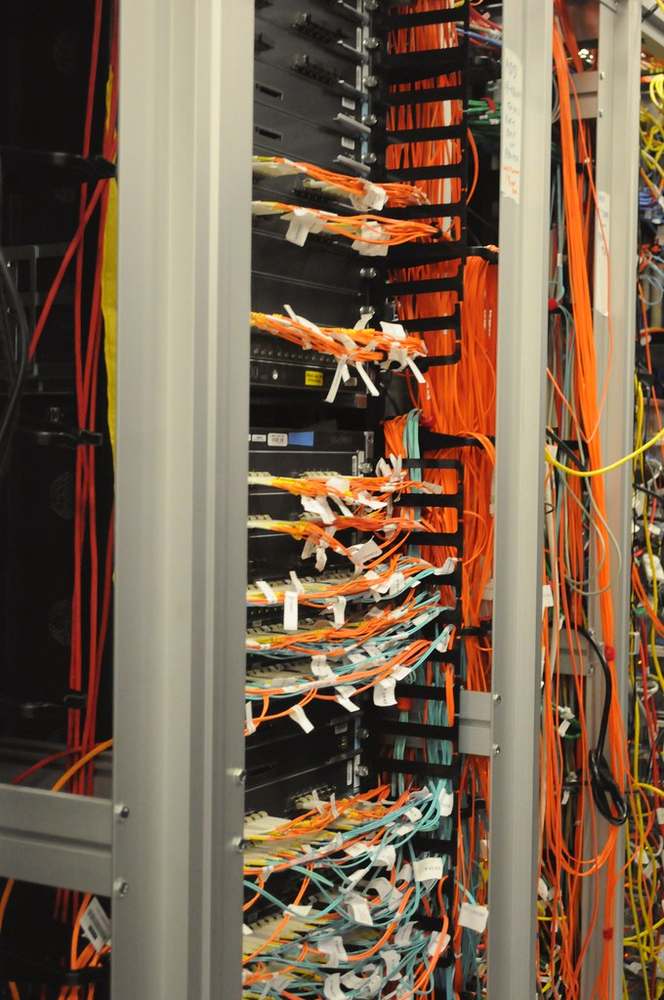
A cabinet air conditioner is a compact cooling unit that removes heat from an enclosed IT rack or small equipment enclosure. It is different from a room-level precision air conditioner because it cools the air inside the cabinet rather than trying to condition the whole server room. Cabinet-level cooling is useful when a room has a few high-density racks, a heat pocket that room cooling cannot remove, or equipment that must remain isolated from the surrounding environment.


What Does a Cabinet Air Conditioner Do?
A cabinet air conditioner draws warm air from the rack, cools it through a refrigeration circuit, and returns cooler air to the enclosure. Many units also provide airflow management, filtration, and condensate handling in a self-contained design. The goal is to keep components inside the cabinet within an acceptable operating range without overcooling the entire room.
Main Benefits of Cabinet-Level Cooling
- Localized heat removal for dense or isolated racks
- Reduced dependence on overcooling the whole room
- Lower impact from hot spots and poor room-level airflow
- Easier cooling for small sites, laboratories, archives, and edge rooms
- Flexible placement for racks that cannot be moved into an ideal room layout
- A controlled air path that can be monitored and maintained as one assembly
Cabinet air conditioners are not always the lowest-energy answer. If a room has many racks and a moderate overall heat load, a well-designed room-level system is usually more efficient. Cabinet units make the most sense when the room is already acceptable but one rack is much hotter than the rest, or when the site has only a few cabinets and no central cooling infrastructure.
When Is Cabinet-Level Cooling the Right Choice?
Start by measuring rack inlet temperatures and heat load rather than assuming the cabinet needs a dedicated unit. Cabinet air conditioning is a practical option for:
- High-density racks that exceed the capability of nearby room cooling
- Small edge sites without space for a larger CRAC unit
- Racks placed in areas where room airflow is difficult to balance
- Enclosures with sensitive equipment and clear temperature limits
- Sites that need to cool one new cabinet before a room-level upgrade is justified
For larger deployments, rack and cabinet capacity planning should be completed first. A high-density cabinet may need more power and cooling than the surrounding infrastructure can supply, even when a cabinet air conditioner is added.
Installation and Integration Considerations
A cabinet air conditioner must match the rack width, mounting method, airflow direction, available power, condensate drain option, and ambient temperature range. Some units mount on the rack side, top, or rear door, and each arrangement changes the air path. Confirm that the rack doors, cabling, and equipment allow enough airflow for the unit to work.
Installation should also include a check for hot-air recirculation. If warm exhaust air returns to the cabinet intake, the cooling unit will work harder without improving component temperatures. Door sealing, blanking panels, cable openings, and airflow direction all affect performance.
Operation and Maintenance
Cabinet air conditioners need the same care as other precision cooling equipment. Keep air filters clean, verify that condensate drains freely, check refrigerant connections for leaks, and inspect fan operation. Log supply air temperature, cabinet inlet temperature, and power use so a slow loss of performance can be detected before equipment overheats.
If the cabinet is inside a data center, integrate its monitoring with the room system. A cabinet unit can solve a local hot spot, but the room-level precision air conditioner sizing process should still confirm that the total cooling capacity and airflow are correct.
Frequently Asked Questions
When should I use a cabinet air conditioner instead of a room air conditioner?
Use cabinet-level cooling when only some racks are high-density, the site has one or two racks, or room-level airflow cannot remove a local hot spot. For a full room with many racks, start with room-level precision cooling.
Are cabinet air conditioners energy efficient?
They can be efficient when they solve a concentrated problem without requiring the whole room to be overcooled. Compare the total installed energy use against room-level cooling for the same heat load.
How do I know if one cabinet needs dedicated cooling?
Measure inlet temperatures, rack heat load, and nearby cooling supply. If inlet temperatures exceed the equipment limit while the rest of the room is within range, a cabinet unit is worth evaluating.
Need help evaluating precision cooling, UPS, or data center infrastructure requirements for your facility? Talk to VERHI to review the load, operating conditions, and site constraints.
Prepared from migrated jienengmao.com technical content and aligned with VERHI published guidance.