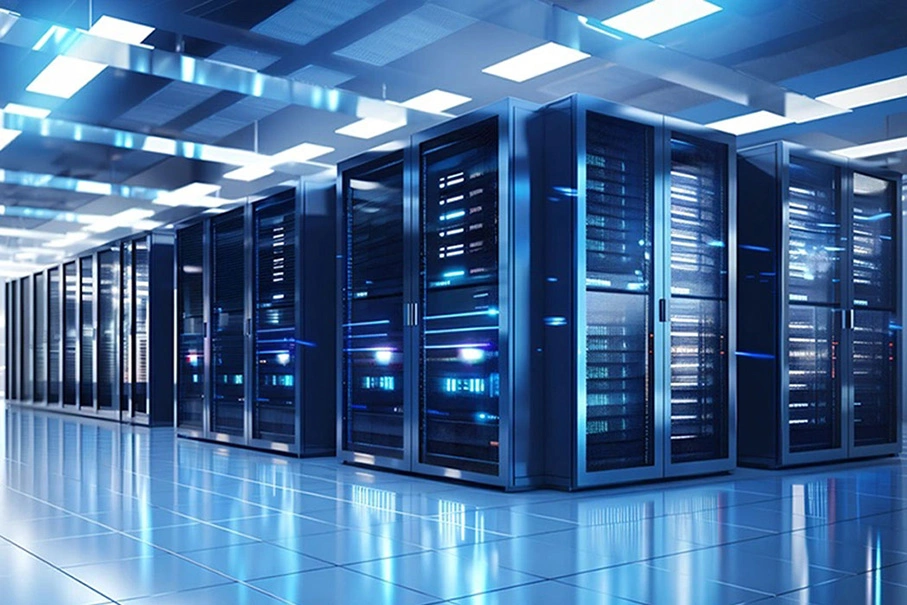

Introduction:The stability and efficiency of a data center depend heavily on the performance of its cooling system. A suitable air conditioning system is absolutely critical for maintaining an optimal operating environment for sensitive IT equipment. So, how should you choose the right data center air conditioner? Below are the key factors you need to consider.
Room Area and Equipment Cooling Demand
First, you must clearly determine the total area of your data center, along with the projected number of devices and their collective power consumption. This assessment directly influences the cooling capacity and energy efficiency grade required for the air conditioning unit. A common rule of thumb is that approximately 1.2 kW of cooling capacity is needed per square meter, allowing you to calculate the base total cooling requirement. More importantly, you must account for the actual heat output generated by all equipment during operation to ensure the system has sufficient cooling capacity to handle the full thermal load.

Energy Efficiency Ratio (EER) and Energy Savings
Second, you need to examine the Energy Efficiency Ratio (EER) of the air conditioning unit. EER is a metric that indicates how much cooling output is produced for every unit of electrical power consumed. A higher EER translates directly to better energy-saving performance and lower operating expenses. When selecting a data center air conditioner, it is wise to prioritize products with a high EER to maximize efficiency over the unit’s lifespan.

Self-Cleaning Functionality and Maintenance Costs
Another important consideration is whether the unit features a self-cleaning function. This capability can significantly reduce energy waste and prevent premature equipment aging caused by dust and debris buildup on critical components like condenser coils. Furthermore, selecting a system that is designed for easy maintenance—with readily accessible and replaceable parts—will substantially lower long-term operational costs and reduce downtime during routine servicing.

Noise Levels and Environmental Impact
Finally, it is necessary to consider the operating noise level and the system’s overall environmental footprint. While most modern data center air conditioners are engineered to operate relatively quietly, it is still essential to balance the specified noise output against the data center’s location and acoustical environment. Additionally, some air conditioners use chemical refrigerants with a high global warming potential. For this reason, choosing a product that utilizes an eco-friendly refrigerant is a significant factor that supports sustainability goals.
Conclusion
Selecting the right air conditioner for a data center is far from a simple decision; it involves multiple, interrelated factors. By following the guidelines outlined above, you can make a well-informed choice and identify the unit that best fits your specific needs. Remember, investing in an efficient and reliable cooling system is a crucial step in guaranteeing the long-term operational stability and extended service life of your data center.